








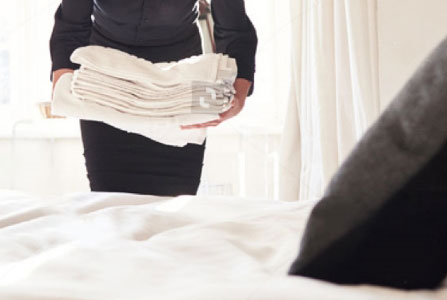



Hotel linen refers to the textile products used to prepare guest beds and support daily accommodation operations, including bedsheets, pillowcases, duvet covers, and related bedding items. Choosing suitable hotel linen requires hospitality businesses to balance guest comfort, durability, appearance, laundering requirements, and operational consistency rather than focusing on a single characteristic.
For hotels, resorts, serviced apartments, and other accommodation businesses in Malaysia, bedding is also a practical operational asset. Hotel bed linen is repeatedly used, washed, dried, stored, and replaced, so its construction and material must be able to withstand a more demanding cycle than typical household bedding.
The right hotel bedding should therefore support two objectives at the same time: providing a clean and comfortable sleeping environment for guests while remaining practical for housekeeping and commercial laundry operations. Understanding materials, specifications, sizing, and procurement requirements helps hospitality businesses make more informed linen decisions.
Understanding Hotel Linen
Hotel linen is commercial textile bedding designed or selected for repeated use within hospitality environments. It generally includes the fabric layers that come into direct contact with guests or protect the main components of the hotel bed.
Unlike residential linen, hospitality linen is managed as part of a larger operating system. Individual items must work with room standards, mattress dimensions, housekeeping procedures, laundry processes, and replacement schedules.
The term can cover several bedding-related products, including:
- Fitted or flat bedsheets
- Pillowcases and pillow protectors
- Duvet or quilt covers
- Mattress protectors
- Bed runners and other selected bedding accessories
Hotel linen quality cannot be judged by appearance alone. Fabric composition, yarn construction, stitching, dimensional stability, wash performance, and suitability for repeated handling all influence how well a product performs in a hospitality setting.
A hotel may also need several specifications across different room categories. Standard rooms, suites, family rooms and villas can use different bed sizes or presentation styles while still maintaining a consistent overall bedding standard.
Types of Hotel Linen Used in Hospitality
Hotel linen includes several textile categories that perform different functions in preparing and maintaining guest beds. Understanding these categories helps procurement and housekeeping teams specify products more accurately.
Bed Sheets
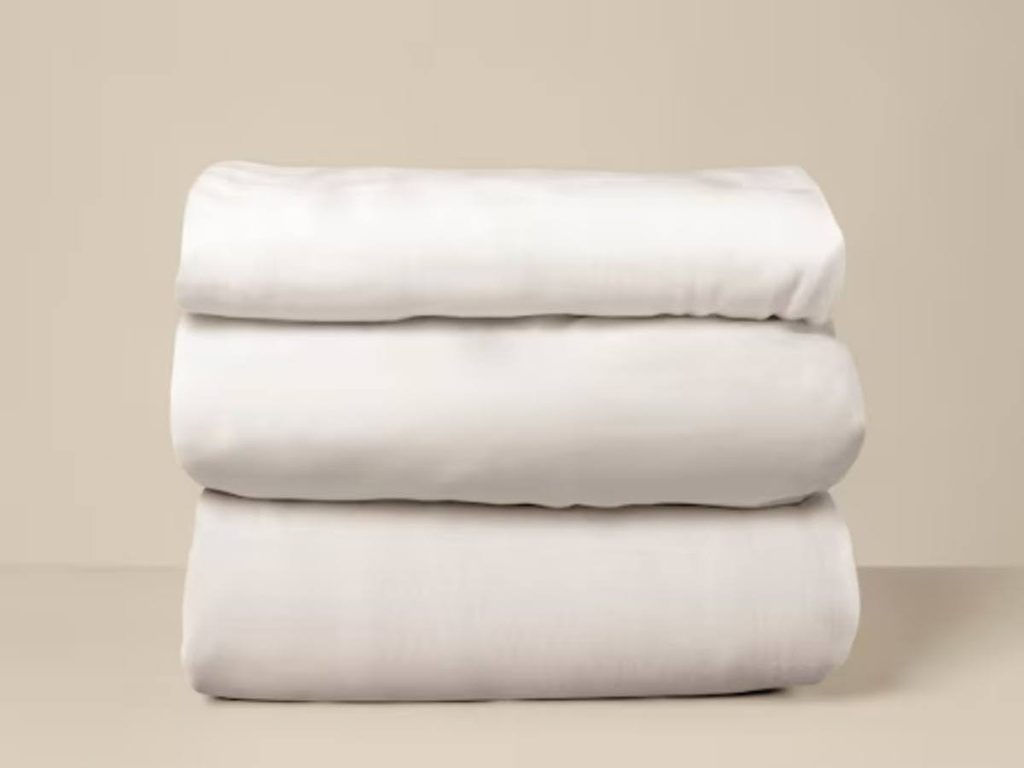
Hotel bedsheets create the primary sleeping surface and are among the most frequently handled pieces of hotel bed linen. They may be supplied as flat sheets or fitted sheets depending on the property's housekeeping method and mattress configuration.
Flat sheets provide flexibility because they can accommodate different mattress depths when appropriately sized. Fitted sheets use elasticated edges or corners to help them stay securely positioned around a specific mattress dimension.
The appropriate format depends on bed design, housekeeping procedures and laundry operations rather than on one universally preferred option.
Pillowcases
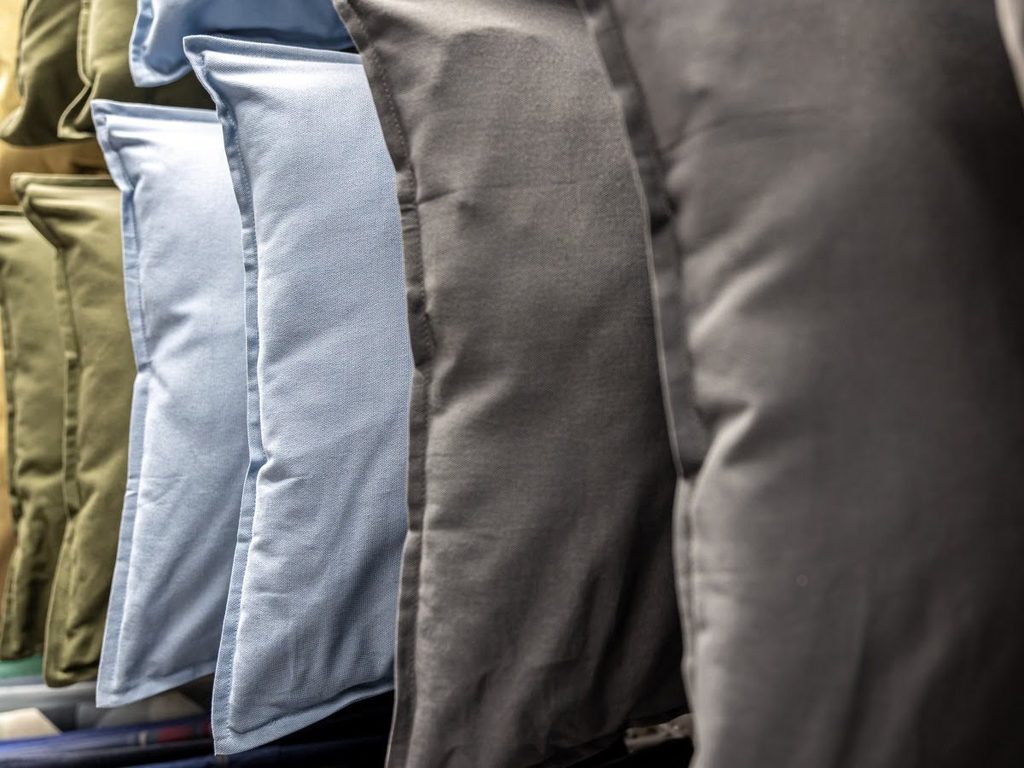
Pillowcases provide the washable outer layer around guest pillows. They need to fit the pillow dimensions accurately while remaining straightforward for housekeeping staff to remove and replace.
Common constructions include open-ended, envelope and other closure designs. Hotels should select one consistent specification wherever practical because standardisation can simplify sorting, bed preparation and inventory management.
Duvet and Quilt Covers
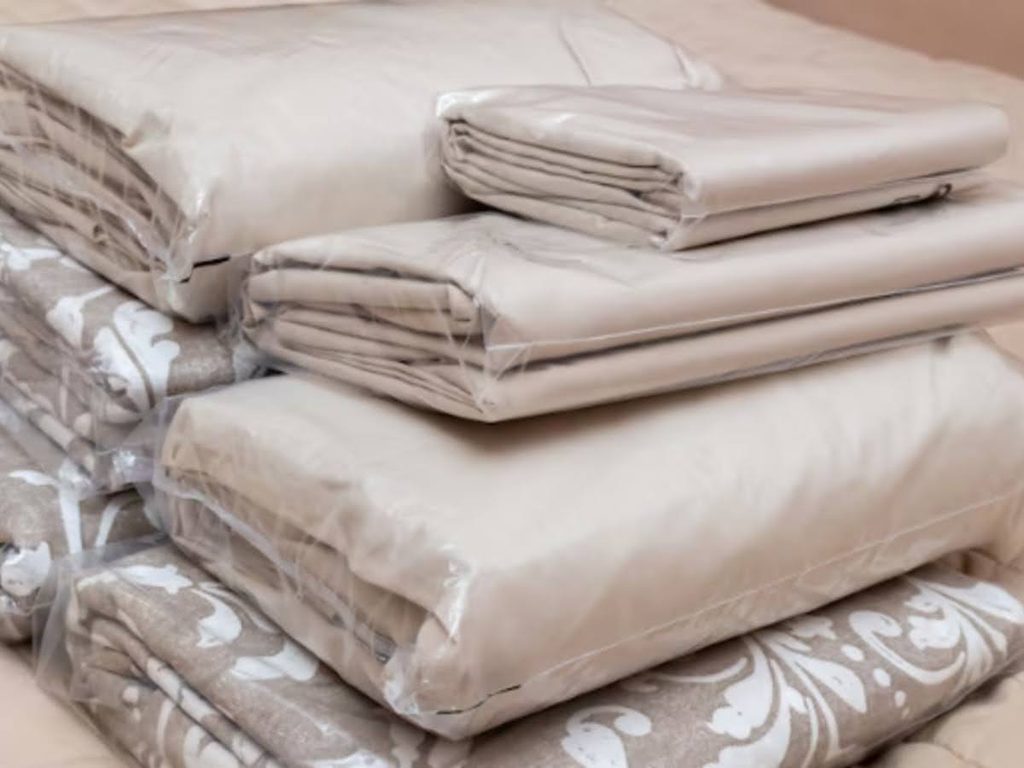
Duvet covers provide a removable textile layer around duvets or quilts. Their primary operational advantage is that the cover can be removed for laundering independently of the inner bedding component.
Closures and dimensions deserve particular attention. A cover that is poorly matched to its insert can cause uneven distribution, while unnecessarily complicated closures may slow down room preparation.
Protective Linen
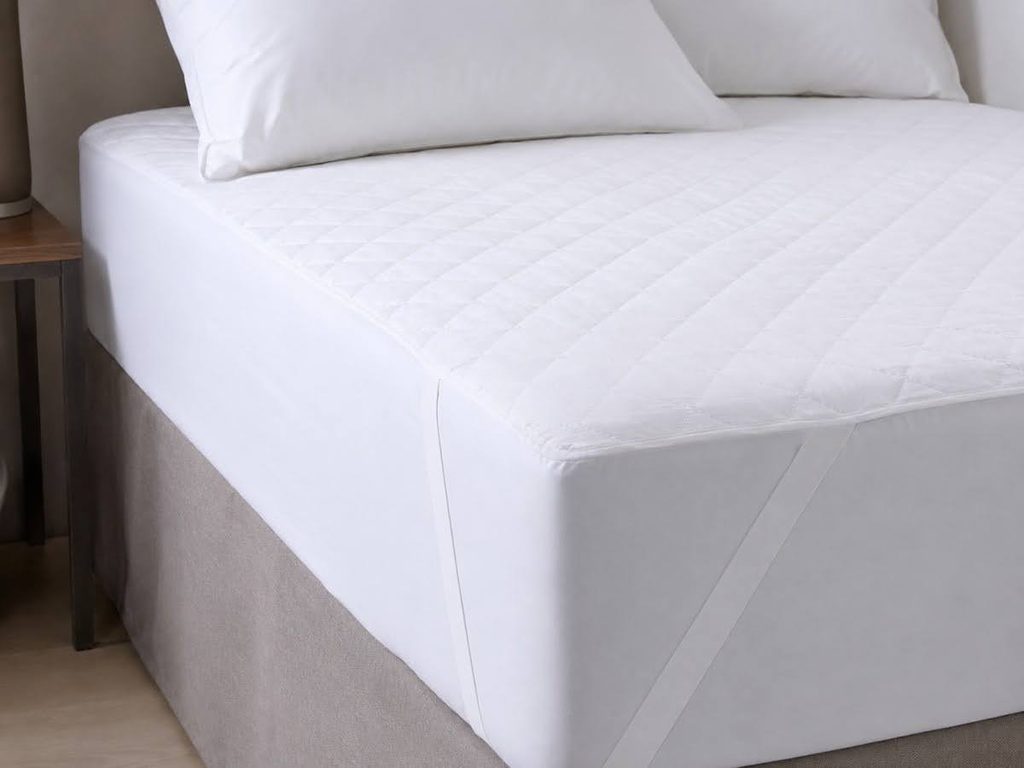
Protective linen creates an additional barrier between washable bed linen and larger bedding components. Mattress and pillow protectors are common examples.
These products can help manage routine wear and simplify the maintenance of mattresses and pillows. Their specifications should account for breathability, fit, laundering, and the level of protection required by the property.
Decorative Bedding Textiles
Decorative textiles such as bed runners may be used to support a hotel's room design. Unlike sheets and pillowcases, their role is primarily visual rather than providing the main sleeping surface.
Decorative pieces should still be selected with operational considerations in mind. Products that are difficult to clean, store, or replace consistently can add unnecessary complexity to housekeeping.
Hotel Bed Linen Requirements
Hotel bed linen needs to meet operational requirements that extend beyond softness or visual appearance. The appropriate specification depends on how frequently the linen is used, how it is laundered, and what level of presentation the property aims to maintain.
The most important requirements usually include durability, dimensional consistency, guest comfort, laundering compatibility, and standardised sizing.
| Requirement | Why It Matters in Hospitality |
| Durability | Linen undergoes frequent washing, handling and bed changes |
| Comfort | Bedding directly affects the guest's sleeping environment |
| Dimensional stability | Excessive shrinkage can affect fit after laundering |
| Laundry suitability | Fabric must suit the property's cleaning processes |
| Consistent sizing | Standard dimensions simplify housekeeping and inventory |
| Appearance | Consistent bedding contributes to an orderly room presentation |
| Replaceability | Standard specifications make future replenishment easier |
Hospitality businesses should define these requirements before comparing individual products. A fabric that performs well in a residential environment is not automatically suitable for high-frequency commercial use.
Specifications should also be considered across the entire bedding system. Sheets, covers, protectors, pillows and duvets need compatible dimensions and practical handling characteristics.
Bedsheets and Pillowcases
Bedsheets and pillowcases are the hotel linen items that typically have the most direct and prolonged contact with guests. Their fabric, construction and finishing therefore influence both comfort and housekeeping performance.
Hotel bedsheets should fit the mattress securely without creating excessive loose fabric or being difficult to position. Mattress length, width and depth all need to be considered because two beds described by the same general size can still have different actual dimensions.
Pillowcases similarly need to correspond with the pillow specification. Oversized cases can create an untidy appearance, while cases that are too small may compress the pillow or make changes unnecessarily difficult.
Stitching is another practical consideration. Seams and hems experience repeated pulling during bed preparation and laundering, making construction quality relevant to long-term performance.
For properties operating multiple room categories, standardising bedsheets and pillowcases wherever bed dimensions allow can reduce the number of individual stock-keeping units that housekeeping teams need to manage.
Pillows, Quilts, and Duvets
Pillows, quilts, and duvets form the main comfort layers of hotel bedding and should be selected according to climate, room conditions, guest use and maintenance requirements. Their suitability depends on more than the outer fabric because filling, weight, loft and construction also affect performance.
Malaysia's warm and humid climate makes thermal comfort particularly relevant, although most hotel bedrooms use are air-conditioned. Bedding should therefore be evaluated as part of the complete room environment rather than solely according to outdoor temperature.
Pillows
Hotel pillows need to balance support, comfort, hygiene management and practical maintenance. Properties may use synthetic or different filling types depending on their operational requirements.
Some hotels provide more than one pillow type within a room or make alternatives available upon request. This can accommodate different sleeping preferences without requiring every bed to use several specialised pillow products.
Quilts and Duvets
Quilts and duvets provide insulation and influence the overall feel and warmth of a hotel bed. The appropriate weight should correspond with typical indoor sleeping temperatures and the property's bedding arrangement.
Construction also matters because it affects how evenly filling remains distributed. Products designed to limit excessive movement of filling can maintain a more consistent sleeping surface and presentation.
Hotels should consider the complete combination of duvet, cover and sheets. Individually suitable products can still perform poorly if their sizes or handling requirements are incompatible.
Hotel Bedding Accessories
Hotel bedding accessories are supplementary products that protect the bed, support comfort or complete its presentation. They should be selected according to a defined operational purpose rather than added solely because they are commonly associated with hotel rooms.
Common hotel bedding accessories include mattress protectors, pillow protectors, mattress toppers and selected decorative textiles.
Mattress protectors create a removable barrier around or over the mattress. Their fit needs to accommodate the actual mattress depth, particularly when toppers or thicker mattress designs are used.
Pillow protectors provide an additional washable layer beneath the pillowcase. Hotels using them should ensure the protector does not significantly alter the intended feel or dimensions of the pillow.
Mattress toppers can modify the sleeping surface without replacing the underlying mattress. Where they are used, their added depth must be incorporated into sheet measurements.
Decorative accessories should be evaluated more selectively. Each additional textile placed on the bed creates another item that may require cleaning, inspection, storage and replacement.
Choosing Hotel Linen Materials
Hotel linen materials determine much of the bedding's comfort, durability, laundering behaviour and appearance. Cotton, polyester and blended constructions are among the materials commonly considered for commercial bed linen.
No single material is automatically suitable for every hospitality property. The appropriate choice depends on the hotel's guest experience requirements and operational conditions.
Cotton
Cotton is widely used in bed linen because it can provide a soft, breathable sleeping surface. Different cotton fabrics can vary substantially according to yarn, weave, finishing and overall construction.
Cotton also absorbs moisture, which can contribute to sleeping comfort. Hospitality buyers should nevertheless consider how a particular cotton specification responds to repeated washing and drying.
Polyester
Polyester is a synthetic fibre that may be incorporated into commercial bedding where durability, dimensional stability and ease of maintenance are important considerations.
Its characteristics differ from cotton, particularly in moisture absorption and feel. The suitability of polyester depends on the product construction and the intended bedding application.
Cotton-Polyester Blends
Cotton-polyester blends combine characteristics of natural and synthetic fibres. They are commonly considered for hospitality applications where businesses want to balance comfort with operational performance.
The exact blend ratio affects the finished textile. Procurement decisions should therefore be based on the complete fabric specification rather than simply whether the product is described as a blend.
Fabric Weave
Weave describes how yarns are interlaced to form fabric and can influence feel, appearance and performance. Percale and sateen are two terms commonly encountered when evaluating bed linen.
Percale generally has a crisp, balanced character, while sateen construction typically produces a smoother surface with a different visual finish. Neither weave should be selected solely by name; the overall fabric specification and intended use remain more important.
Thread Count and Hotel Linen Quality
Thread count is one textile specification used to describe the number of threads within a defined area of woven fabric, but it should not be treated as a complete measure of hotel linen quality. Higher numbers do not automatically indicate better commercial performance.
Yarn quality, fibre type, weave, finishing and construction can be equally or more important. Two fabrics carrying similar thread-count figures may perform differently under repeated hotel laundering.
Hospitality businesses should evaluate linen using several criteria rather than relying on one number:
- Check the fibre composition and fabric construction.
- Assess the fabric's feel and intended guest application.
- Review laundering and care requirements.
- Consider shrinkage and dimensional stability.
- Inspect stitching, seams and finishing.
- Evaluate samples under realistic operating conditions where possible.
This broader approach provides a more useful picture of hotel linen quality than selecting products according to thread count alone.
Durability and Commercial Laundry Requirements
Durability in hotel linen means maintaining acceptable structure, fit and appearance through repeated cycles of use, washing, drying and handling. Commercial laundry conditions can place greater mechanical and thermal demands on textiles than occasional domestic laundering.
Hotels should therefore consider how fabric reacts throughout its expected care cycle. A sheet that initially fits a mattress correctly may become operationally unsuitable if repeated laundering causes significant dimensional changes.
Commercial bedding should be evaluated for several forms of wear. These include seam deterioration, fabric thinning, surface changes, shrinkage and damage caused by repeated handling.
Laundry compatibility is equally important. Care requirements need to fit the processes available to the property or its external laundry provider.
A hotel using outsourced laundry services should communicate relevant linen specifications to the service provider. Washing processes, drying methods and finishing procedures can affect textile performance over time.
Consistent care also matters. Mixing products with substantially different laundering requirements can complicate sorting and increase the likelihood of inappropriate treatment.
Comfort and the Guest Experience
Hotel bedding contributes to guest comfort by influencing softness, breathability, thermal conditions and the overall feel of the sleeping surface. Bedding cannot determine sleep quality on its own, but it forms an important part of the room environment.
Comfort should be considered as a system rather than as a characteristic of one product. Mattress condition, sheets, pillows, duvet weight, room temperature and humidity all interact.
For hotel linen, softness needs to be balanced with practical performance. Extremely delicate fabrics may feel pleasant but can be less suitable for intensive commercial handling if their construction does not support repeated laundering.
Breathability is also relevant in Malaysia. Although air-conditioned guestrooms create controlled indoor conditions, guests may have different temperature preferences, making overly heavy bedding unsuitable for some applications.
Cleanliness and presentation also shape the guest's perception of bedding. Properly fitted sheets, consistent pillow arrangements and well-maintained textiles create a more orderly sleeping environment without requiring elaborate decoration.
Customisation and Hotel Linen Sizing
Hotel linen customisation allows textile dimensions, construction, or selected design details to be adapted to a property's operational and branding requirements. Customisation is most useful when it solves a specific functional or presentation need.
Sizing should be addressed before decorative options. Hotels need accurate measurements for mattresses, pillows, duvets and other bedding components rather than relying exclusively on general labels such as single, queen or king.
Mattress depth is particularly important. A thicker mattress or one combined with a topper requires additional fabric depth for fitted sheets and sufficient dimensions for flat-sheet applications.
A practical specification record can include:
- Mattress width, length and depth
- Pillow dimensions and filling profile
- Duvet or quilt dimensions
- Preferred sheet format
- Required cover and protector dimensions
Customisation may also involve embroidery, textile detailing or other identifiers where appropriate to the property. These features should not interfere with laundering, comfort or replacement consistency.
Hotels considering custom hotel bedding should also think about future replenishment. Highly specialised specifications can become difficult to replace if dimensions, materials or design details are not documented accurately.
Colour and Bedding Presentation
Colour selection for hotel bedding should support room presentation while remaining practical for housekeeping and replacement. White and neutral bed linen are commonly used in hospitality because they can create a consistent visual standard across different room designs.
Colour choice also affects how easily individual linen batches can be combined. A property using a highly specific shade may need closer control over replenishment because fabric batches and repeated laundering can create visible variation.
Decorative colour can instead be introduced selectively through elements such as runners, cushions or other room textiles when those products fit the property's cleaning procedures.
The appropriate approach depends on the hotel's design standards and operational model. Visual consistency is usually easier to maintain when core commercial bed linen uses a controlled range of specifications.
Bulk Procurement Considerations
Bulk hotel linen procurement requires planning around usage, laundry turnaround, room inventory and replacement needs. The number of rooms alone does not determine how much linen a hospitality business requires.
Each occupied room creates linen in different operational states. Some sets are on beds, some may be awaiting collection, some are being laundered, and others need to remain available for housekeeping.
Hotels should therefore establish their linen requirements using operational data rather than purchasing an arbitrary quantity.
Important procurement considerations include:
- Number and type of guestrooms
- Bed configurations across room categories
- Frequency of linen changes
- Laundry collection and turnaround schedules
- Occupancy patterns
- Replacement and reserve requirements
Standardisation can make bulk procurement easier to manage. Where practical, reducing unnecessary variations in sheets, pillowcases and covers simplifies storage, laundry sorting and stock distribution.
Procurement teams should also coordinate with housekeeping. Staff responsible for changing and handling linen can identify practical issues that may not be obvious from textile specifications alone.
Linen Inventory and Replacement Planning
Hotel linen inventory management involves maintaining enough usable stock to support room turnover while identifying damaged or unsuitable items for replacement. Effective inventory control reduces the risk of shortages and prevents deteriorated linen from remaining in guest-room circulation.
Hotels can separate inventory by item type, dimension and room category. Clear identification becomes especially useful when several similar sizes are used within the same property.
Replacement decisions should be based on condition rather than age alone. Linen may need to be removed from circulation when it develops permanent stains, tears, damaged seams, excessive thinning or dimensions that no longer fit correctly.
A consistent inspection process also helps procurement teams understand which products are wearing faster than expected. That information can improve future material and specification decisions.
Hotels with seasonal occupancy changes should consider how those patterns affect stock requirements. Inventory that is adequate during quieter periods may become insufficient when occupancy and laundry volumes increase.
Evaluating Hospitality Bedding as a Complete System
Hospitality bedding should be evaluated as an interconnected system consisting of the mattress, protectors, sheets, pillows, covers and insulating layers. Assessing each component separately can overlook compatibility issues that affect housekeeping or guest comfort.
For example, a mattress topper changes the effective depth of the bed and may require a different sheet specification. A larger pillow may require both a larger protector and pillowcase.
The same principle applies to laundering. A bedding system containing items with significantly different care requirements can increase sorting complexity and create inconsistent processing.
A useful evaluation should therefore consider three perspectives: the guest using the bed, the housekeeping team preparing it and the laundry operation maintaining the textiles.
When those requirements are considered together, hospitality businesses can establish bedding specifications that are easier to maintain consistently across the property.
Choosing a Hotel Linen Supplier
A hotel linen supplier should be assessed according to product suitability, specification consistency, supply capability and understanding of hospitality requirements. Selecting a supplier involves more than comparing fabric samples.
Hospitality businesses need confidence that products can be supplied according to the required dimensions, materials and construction. Consistency is particularly important when additional stock needs to be ordered later.
A structured supplier assessment can include the following criteria:
- Confirm experience with hospitality or commercial textile requirements.
- Review available hotel linen materials and specifications.
- Verify dimensions and customisation capabilities where required.
- Discuss product consistency for repeat orders.
- Assess whether samples are available for practical evaluation.
- Confirm care information and relevant product documentation.
Businesses should provide suppliers with accurate information about their intended use. Room counts, bed dimensions, bedding configurations, laundry conditions and required product categories can all affect recommendations.
For Malaysian hotels and other accommodation businesses, supplier suitability may also depend on the ability to support different property types, from individual hospitality establishments to larger operations requiring standardised commercial bedding specifications.
Testing Hotel Linen Before Wider Use
Testing hotel linen before wider deployment can help determine whether a specification performs as expected under actual hospitality conditions. Samples provide more useful information when they are assessed through realistic use and laundering rather than inspected only when new.
A trial can examine initial fit, guest-facing appearance, housekeeping handling and changes after washing. The purpose is to identify practical issues before they affect a larger quantity of inventory.
Hotels can document measurements and observations before and after trial laundering. Changes in dimensions, fabric feel, seams and overall appearance can then be compared more consistently.
Housekeeping feedback should also form part of the assessment. A product may meet technical specifications but still create unnecessary difficulty during room preparation.
Testing does not guarantee long-term performance, but it can reveal immediate incompatibilities between the selected linen and the property's existing operating processes.
Common Hotel Linen Selection Mistakes
Common hotel linen selection mistakes occur when purchasing decisions focus on individual specifications without considering commercial use. A product can appear suitable on paper while creating difficulties after repeated laundering or daily housekeeping.
One frequent mistake is treating thread count as the main measure of quality. Fabric construction, fibre composition and wash performance need to be assessed alongside thread count.
Another issue is relying on generic bed-size labels without checking actual mattress dimensions. Variations in mattress depth can cause fitted sheets or protectors to perform poorly even when the nominal bed size appears correct.
Selecting too many different specifications can also complicate inventory. Unnecessary variation increases sorting requirements and makes replacement stock harder to manage.
Hotels should also avoid evaluating comfort without considering maintenance. Hospitality linen needs to provide an appropriate guest experience while remaining compatible with the property's laundry and housekeeping systems.
Frequently Asked Questions (FAQs)
Hotel linen refers to washable textile products used in guest accommodation, particularly bedsheets, pillowcases, duvet covers and related bedding textiles. These products are selected for both guest comfort and the repeated handling and laundering associated with hospitality operations.
Hotel linen is generally specified with frequent use, commercial laundering, inventory consistency and repeated replacement in mind. Household linen is usually exposed to less intensive washing and handling, although the exact characteristics of individual products can vary.
Cotton, polyester and cotton-polyester blends can all be used for hotel bed linen depending on the property's requirements. The appropriate material should be assessed according to comfort, durability, laundering conditions, fabric construction and intended use rather than fibre type alone.
A higher thread count does not automatically mean that hotel bedsheets are better suited to commercial use. Yarn quality, fibre composition, weave, finishing, construction and laundering performance also affect the overall quality and durability of the fabric.
Hotels should measure the actual mattress width, length and depth before specifying bedsheets. Mattress toppers and protectors should also be included in the measurement because they can increase the effective depth of the bed.
Commercial laundry compatibility matters because hotel linen is repeatedly exposed to washing, drying, finishing and mechanical handling. Linen that is unsuitable for the property's laundry process may experience premature wear, shrinkage or changes that affect its fit and appearance.
Common hotel bedding accessories include mattress protectors, pillow protectors, mattress toppers and selected decorative textiles. Each accessory should have a clear function and remain compatible with the hotel's laundering, storage and housekeeping procedures.
Testing samples can help hotels assess fit, wash behaviour, appearance and housekeeping practicality before wider deployment. A trial is particularly useful when introducing a new material, construction, supplier or custom specification.
Consistency is easier to maintain when bed dimensions, linen specifications and product categories are standardised wherever practical. Accurate specification records also allow procurement teams to order compatible replacement stock when existing linen reaches the end of its usable condition.
Building a Practical Hotel Bedding Standard
Choosing hotel linen is ultimately a balance between guest-facing comfort and the operational requirements of a hospitality business. Material composition, fabric construction, sizing, durability, laundry compatibility and inventory management all contribute to whether bedding remains practical over repeated cycles of use.
Hotels should evaluate hotel bedding as a complete system rather than selecting sheets, pillows, duvets and accessories independently. Clear specifications and appropriate testing can help create a consistent bedding standard that supports both guest rooms and behind-the-scenes operations.
Discuss Your Hospitality Linen Requirements with Eastern Decorator
Hospitality businesses planning new bedding specifications or reviewing existing hotel linen can consider their room types, bed dimensions, material requirements, laundering processes and expected usage before selecting products. Eastern Decorator provides information on hospitality textile solutions for businesses with different accommodation and bedding requirements.
For enquiries relating to hotel linen, hotel bed linen or hospitality bedding requirements, get in touch with Eastern Decorator to discuss the specifications relevant to your property.

