












Functional textiles are fabrics engineered or finished to provide specific performance characteristics beyond basic covering and decoration. In hotel bedding, these characteristics can include moisture management, improved breathability, thermal regulation, and selected hygiene-related functions.
Modern hotel bedding increasingly needs to balance sleeping comfort with practical commercial requirements. A fabric may need to feel comfortable in an air-conditioned room while also withstanding repeated laundering and regular housekeeping.
Functional textile technologies can support these objectives, but their effectiveness depends on the material, construction, and treatment used. Hotels should therefore evaluate performance claims according to the specific product rather than assuming all advanced bedding technologies perform in the same way.
What Are Functional Textiles?
Functional textiles are fabrics designed to perform a defined technical function in addition to their conventional textile role. The function may be created through fibre selection, yarn design, fabric construction, or a specialised finish.
In bedding, these functions can relate to moisture movement, temperature management, airflow, hygiene or durability.
Functional performance should be treated as a measurable product characteristic rather than a general marketing description. Different technologies can achieve similar outcomes through different mechanisms.
Hotels considering functional bedding should therefore ask what the textile is designed to do and whether that function remains effective under normal commercial use.
The Role of Functional Textiles in Hotel Bedding
Functional textiles can help address comfort and maintenance requirements within hospitality bedding. Their role is particularly relevant where hotels want fabrics to manage moisture, airflow, or changing sleeping temperatures.
These materials may be incorporated into sheets, mattress covers, pillow-related textiles, or other bedding layers.
Their practical value depends on where they are used. A moisture-managing bedsheet, for example, interacts differently with the sleeper than a similar technology applied only to a mattress protector.
Hotels should assess the entire bedding system to determine whether a functional material offers a meaningful benefit in its intended position.
Advanced Bedding Technology
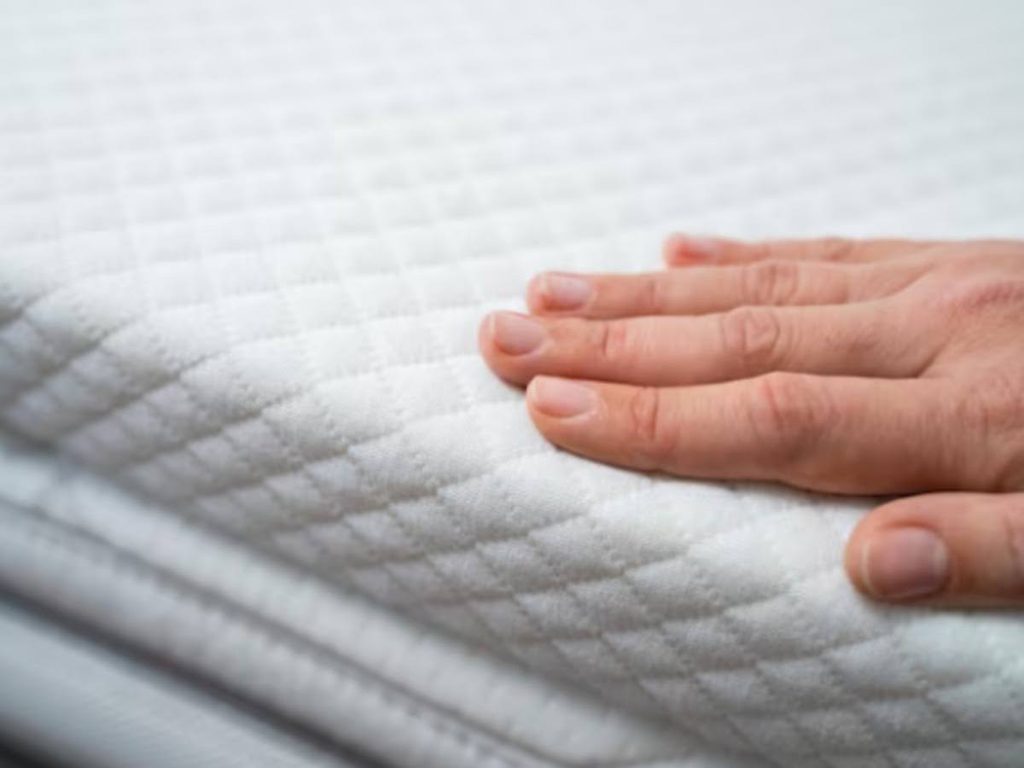
Advanced bedding technology includes textile engineering approaches intended to modify how fabric interacts with heat, moisture, air or microorganisms.
Some technologies are built into the fibre or yarn, while others rely on surface treatments or fabric construction.
Common areas of development include:
- Thermal management
- Moisture transport
- Airflow
- Odour management
- Antimicrobial treatments
These technologies should not automatically be treated as equivalent. Their performance, durability, and suitability for commercial laundering can differ substantially.
Product documentation and testing information can therefore be important when evaluating whether a technology is suitable for hospitality requirements.
Temperature-Regulating Fabrics
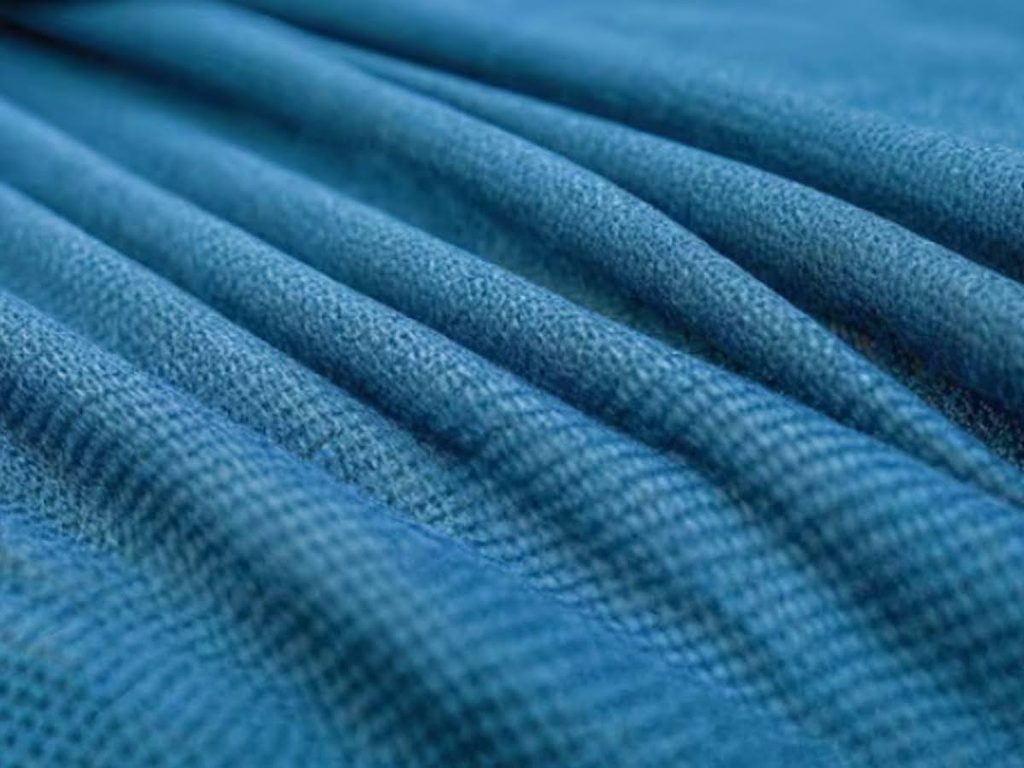
Temperature-regulating fabrics are designed to influence how heat is stored, transferred or released around the sleeping surface. Their purpose is to help create more stable thermal conditions rather than actively cool or heat a room.
Some textile technologies use materials that respond to changes in temperature, while others rely on fibre structure and fabric construction to improve heat transfer.
In Malaysia, temperature regulation can be relevant because guestrooms may move between warm ambient conditions and cooler air-conditioned environments.
Hotels should nevertheless avoid expecting a textile to replace room climate control. Bedding can influence thermal comfort, but air temperature, humidity, mattress properties and duvet weight remain important factors.
Moisture-Wicking Bedding
Moisture-wicking bedding is designed to move moisture away from the body-facing side of a textile so that it can spread or evaporate more efficiently.
This function can be useful in bedding because moisture accumulation may affect how warm or clammy a sleeping surface feels.
Moisture management generally depends on fibre properties, yarn structure, and fabric construction rather than absorption alone.
A fabric that absorbs moisture does not necessarily move it effectively away from the skin. Wicking specifically describes the movement of liquid through or along the textile structure.
Hotels assessing moisture-wicking bedding should consider whether the function remains effective after repeated laundering.
Breathable Bedding Materials
Breathable bedding materials allow air and water vapour to pass through the textile structure. Breathability can affect how heat and moisture accumulate around the sleeper.
Fabric construction plays an important role in this characteristic. Fibre type alone does not determine whether a finished textile is breathable.
A tightly constructed fabric may behave differently from a more open construction even when both use the same basic fibre.
For hospitality applications, breathable bedding can be particularly relevant where warm environmental conditions and varying guest temperature preferences need to be accommodated.
Functional Textiles and Sleep Comfort
Functional textiles can influence sleep comfort by affecting the immediate microclimate between the body and bedding. Temperature, humidity and surface moisture can all contribute to how comfortable a sleeping environment feels.
This does not mean a functional fabric directly guarantees better sleep. Sleep quality is influenced by many factors, including mattress support, noise, room temperature, lighting and individual health or preferences.
The role of functional bedding is more specific: it can help manage selected textile-related conditions around the sleeper.
Hotels should therefore evaluate functional textiles as one component of overall bedroom comfort.
Hygiene and Antimicrobial Properties
Antimicrobial textiles are designed or treated to inhibit the growth of certain microorganisms on the textile itself. These properties may be created through fibres, incorporated substances or surface treatments.
Antimicrobial performance should not be confused with general cleanliness or infection control.
Hotel bedding still requires appropriate laundering regardless of whether a textile has antimicrobial characteristics.
Hotels should also examine the specific claim being made. Different treatments may target different microorganisms, and performance can change through repeated washing.
Where antimicrobial features are being considered, product documentation and applicable testing information are more useful than broad terms such as "hygienic fabric".
Durability for Commercial Use
Functional bedding used in hotels must maintain both its physical structure and its intended technical performance under repeated commercial conditions.
A fabric may remain visibly intact while a surface treatment gradually loses effectiveness. For this reason, functional durability can be different from ordinary textile durability.
Hotels should assess:
- Physical wash durability
- Stability of the functional treatment
- Expected laundering conditions
- Manufacturer care requirements
- Performance after repeated cycles
A functional textile that cannot tolerate the property's routine laundering process may provide limited practical value in hospitality operations.
Performance Under Frequent Laundering
Frequent laundering can affect functional textile performance because heat, detergents, mechanical action and drying can alter fibres or finishes.
Technologies integrated directly into fibres may behave differently from treatments applied mainly to the textile surface.
The relevant question for hotels is not simply whether a product has a functional feature when new, but whether that feature remains effective throughout normal use.
Where performance data is available, hotels can review how the material behaves after repeated wash cycles.
Sample testing under realistic laundry conditions can also help identify changes in feel, dimensions and practical functionality before wider implementation.
Choosing Functional Hotel Bedding
Functional hotel bedding should be selected according to a specific operational or guest-comfort objective. Adding technical features without identifying the problem they are intended to solve can result in unnecessary complexity.
A hotel interested in functional bedding can first determine whether it needs better moisture management, improved breathability, thermal regulation or another defined characteristic.
The product can then be evaluated according to:
- The claimed function.
- How the technology works.
- Where it is positioned within the bedding.
- Commercial wash durability.
- Compatibility with existing bedding.
This approach separates useful performance characteristics from general technology terminology.
Integrating Functional Textiles into a Hotel Bedding System
Functional textiles are most effective when they complement the complete bedding arrangement. Sheets, mattress protectors, pillows and duvets all influence the thermal and moisture environment of the bed.
A breathable sheet may provide limited benefit if other bedding layers severely restrict airflow. Similarly, temperature-regulating textiles cannot fully compensate for an excessively heavy duvet in a warm room.
Hotels can therefore assess functional materials alongside conventional hotel linen specifications.
The Complete Guide to Choosing Hotel Linen and Bedding for Hospitality Businesses provides a broader framework for evaluating bedding materials, comfort, durability, sizing and commercial laundry requirements.
The Practical Role of Functional Bedding
Functional textiles can add specific performance characteristics to modern hotel bedding, particularly in areas such as moisture management, breathability and thermal regulation.
Their value depends on how well the technology addresses an actual requirement and how reliably it performs after repeated hospitality use.
Hotels should examine both technical function and commercial practicality rather than treating advanced bedding technology as a substitute for appropriate materials, laundering or room climate management.
Frequently Asked Questions (FAQs)
What are functional textiles in bedding?
Functional textiles are fabrics designed to provide specific performance characteristics such as moisture management, improved breathability or thermal regulation in addition to their normal textile function.
What is moisture-wicking bedding?
Moisture-wicking bedding is designed to move moisture away from the body-facing surface and distribute it through the textile so it can evaporate more effectively.
Can functional textiles regulate body temperature?
Some textiles are designed to influence heat and moisture around the sleeping surface, but they do not directly control body or room temperature. Overall thermal comfort also depends on bedding weight, room conditions and the sleeper.
Are antimicrobial textiles a replacement for laundering?
No. Antimicrobial characteristics do not replace normal hotel cleaning and laundering procedures. Bedding should still be maintained according to the property's hygiene protocols and product care instructions.
Do functional textile properties last permanently?
Not necessarily. Durability depends on how the functionality is incorporated into the textile and how the product is used and washed. Hotels should review product specifications and available performance information for repeated laundering.
Consider Functional Bedding Options with Eastern Decorator
Hotels exploring functional textiles should first identify the specific bedding performance they want to improve, such as breathability, moisture management, thermal comfort or commercial durability. Eastern Decorator can support hospitality businesses in reviewing conventional and performance-focused hotel bedding solutions for different accommodation environments. To discuss bedding materials and suitable hospitality textile options, get in touch with Eastern Decorator.

